
Petra in one day: how to do it properly
Petra is not a monument, it's a city — 264 square kilometres of it, carved into rose-red rock by the Nabataeans over two thousand years ago. Most visitors see about 15% of it, get heatstroke, and leave. One day is genuinely enough to see the best of it, but only if you start early, walk far, and know what to skip.
Heads up: some links on this page are affiliate links. If you book through one we may earn a small commission at no extra cost to you — it keeps these guides free. It never changes what we recommend.
The one thing that decides your whole day: start at 6am
Petra opens at 6am in summer (7am in winter). Be at the gate when it opens. This is not enthusiasm, it's strategy — and it changes everything:
- You walk the Siq nearly alone. The 1.2km canyon corridor is half the magic, and at 6am it's silent.
- You reach the Treasury before the tour groups and the camel touts. The light hits its façade properly between about 9 and 11am, but the emptiness at 6.30 is worth more than the light.
- You climb the Monastery before the heat. By 1pm in summer that 800-step staircase is brutal.
People who arrive at 10am spend their day in a queue, in 38°C, behind a tour group. It's the single biggest difference between a great day and a miserable one.
Hour by hour
6.00 — Enter and walk the Siq. Don't take the horse ride (it's included in the ticket but only covers the first 800m and comes with an expected tip). Walk. Look up. The Siq narrows to 3 metres in places with 80-metre walls.
6.40 — The Treasury (Al-Khazneh). The moment it appears through the crack in the rock is the reason people come to Jordan. Sit. Don't rush it. Ignore anyone offering to take you "to the secret viewpoint" for a fee at this hour — you'll get a better one later, free.
7.15 — The Street of Façades and the Royal Tombs. Keep walking. The valley opens up. Climb up to the Urn Tomb for the view back across the whole basin — this is where people realise Petra is a city, not a single carved building.
8.30 — The Colonnaded Street and the Great Temple. The Roman-era heart. Quick — 30 minutes is plenty.
9.15 — The Monastery (Ad-Deir). The climb: roughly 800 rock-cut steps, 45–60 minutes up. It is hard, and it is completely worth it. The Monastery is bigger than the Treasury, and there are a fraction of the people. Have a mint tea at the cave café opposite it and stare.
11.30 — Back down, slowly. Stop at the viewpoints signposted past the Monastery ("Best View in the World" — an overstatement, but not by as much as you'd think).
1.00 — Lunch and the walk out. The uphill walk back through the Siq in the afternoon heat is the hardest part of the day. Take water and take your time.
Total: about 15km of walking. This is the part nobody tells you. Petra is a hike, not a sightseeing stop.
What it costs
As at July 2026 — always confirm current prices before you travel:
- One-day ticket: 50 JD — but only if you are staying at least one night in Jordan. Bring your hotel booking.
- Day-visitors who don't overnight in Jordan pay 90 JD. This catches out people crossing from Israel or Egypt for the day. If you overnight, you can claim the difference back the next day.
- The Jordan Pass includes Petra entry and waives the 40 JD visa fee — see our Jordan Pass guide. For almost every visitor it's the cheaper route.
- A licensed guide at the gate: budget around 50–100 JD depending on the route. Worth it if you want the archaeology; unnecessary if you just want to walk.
The mistakes that ruin people's day
Arriving late. Covered above. It's the big one.
Underestimating the walking. 15km, much of it uphill, on uneven rock, in heat. Trainers, not sandals. Two litres of water minimum. A hat.
Skipping the Monastery because you're tired. This is the most common regret. It's the single best thing in Petra and it's a 45-minute climb. Do it first thing rather than last, if you're worried.
Riding the animals. Beyond the welfare questions, the horse/donkey/camel rides come with aggressive pricing and pressure. Walk.
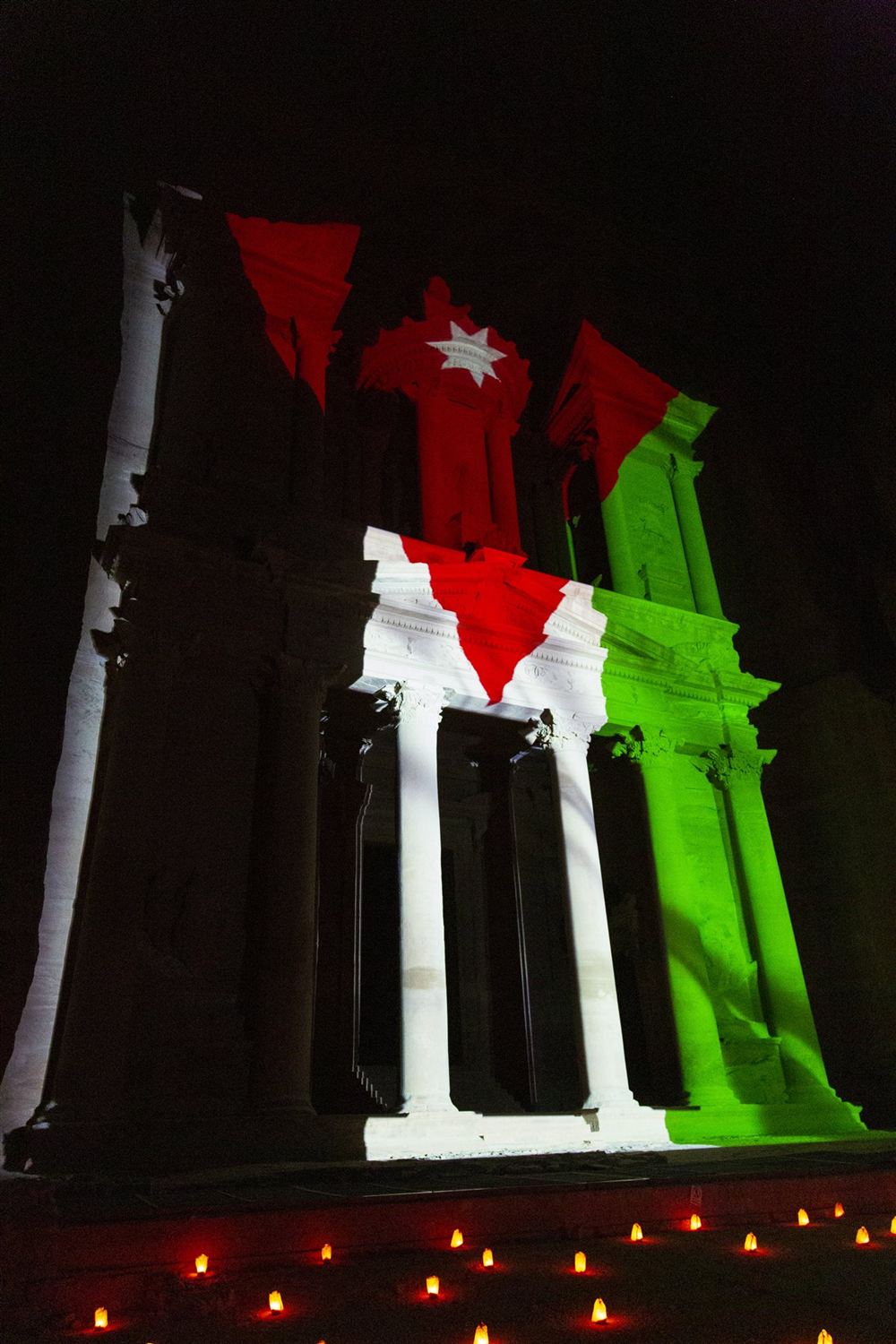
Believing "Petra by Night" is a substitute. It isn't — it's a separate, atmospheric candlelit walk to the Treasury (Mon/Wed/Thu evenings, ticketed separately, around 17 JD). It's beautiful. It is not a tour of Petra, and it doesn't replace a day inside.
Is one day enough?
For most people, yes — if you follow the plan above, you'll see the Siq, the Treasury, the Royal Tombs, the city centre and the Monastery. That's Petra's greatest hits, honestly done.
Two days is better if: you want the High Place of Sacrifice trail, Little Petra, or the back route in from Little Petra (a spectacular 4-hour hike that arrives at the Monastery from above — genuinely one of the great walks in the Middle East). The 2-day Jordan Pass tier costs only 5 JD more than the 1-day one, which makes the second day almost free.
Not sure whether Petra or Wadi Rum should get your extra day? We compared them properly: Petra vs Wadi Rum.
Where to stay
Wadi Musa is the town at Petra's gate — everything from hostels to the Mövenpick at the entrance. Staying in Wadi Musa is what lets you be at the gate at 6am, and it's what makes the 50 JD ticket price apply rather than 90 JD. Don't try to day-trip Petra from Amman (3 hours each way); you'll arrive at the worst hour and leave before the best one.
Frequently asked questions
How many days do you need in Petra?
One full day is enough to see the Siq, the Treasury, the Royal Tombs, the city centre and the Monastery — but only if you enter at 6am when it opens. Two days lets you add the High Place of Sacrifice and the spectacular back trail in from Little Petra, and the 2-day Jordan Pass tier costs only 5 JD more than the 1-day one.
How much does it cost to enter Petra?
As at July 2026, a one-day ticket is 50 JD if you are staying at least one night in Jordan. Day-visitors who do not overnight in Jordan pay 90 JD. The Jordan Pass includes Petra entry and also waives the 40 JD visa fee, which makes it cheaper for almost every visitor.
What time does Petra open?
Petra opens at 6am in summer and 7am in winter. Arriving at opening is the single best decision you can make: you walk the Siq almost alone, reach the Treasury before the tour groups, and climb to the Monastery before the heat.
How much walking is there in Petra?
About 15km over a full day, much of it uphill on uneven rock. The Monastery alone is roughly 800 rock-cut steps. Wear trainers rather than sandals, carry at least two litres of water, and bring a hat.
Is Petra by Night worth it?
It's a beautiful, atmospheric candlelit walk down the Siq to the Treasury, held on Monday, Wednesday and Thursday evenings and ticketed separately (around 17 JD). But it is not a tour of Petra and it is no substitute for a full day inside the site.