
Wadi Rum camping: how to choose a camp, and what a night really costs
A night in Wadi Rum is the thing people remember longest about Jordan — more than Petra, which surprises everyone. It is 720 square kilometres of red sand and black granite where the silence is so complete it feels like a physical presence, and the Milky Way is bright enough to read by. But 'a camp in Wadi Rum' can mean anything from a mattress on the sand to a heated glass dome with a private bathroom, and the gap between them is enormous.
Heads up: some links on this page are affiliate links. If you book through one we may earn a small commission at no extra cost to you — it keeps these guides free. It never changes what we recommend.
The four kinds of camp
Prices are per person per night, typically including dinner and breakfast (July 2026 — always confirm when booking):
1. Basic Bedouin camp — from about $15–25. Shared goat-hair tents or a simple hut, shared bathrooms, dinner cooked over a fire. Honest, cheap, and closest to how people actually live out there. Bring a sleeping bag in winter.
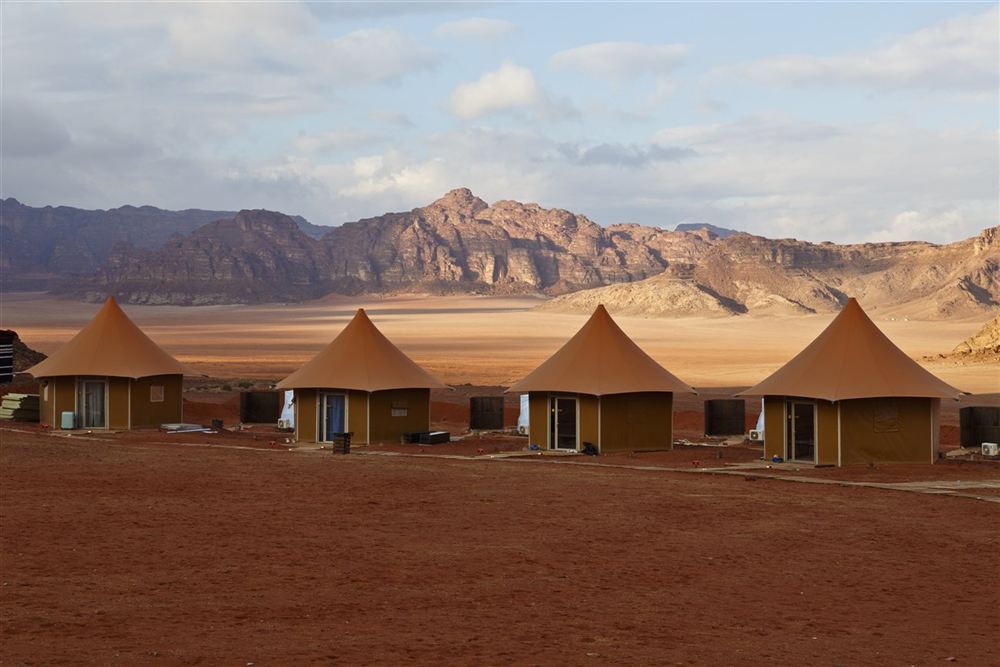
2. Standard Bedouin tent — about $45–70. A private tent with a proper bed, usually shared bathrooms, a communal fire, zarb dinner. This is the sweet spot for most travellers.
3. Bubble / dome camp — about $105–140. The famous transparent dome: you lie in bed and watch the stars through the ceiling. Private bathroom, air-conditioning, real comfort. Yes, they're 'Instagram camps'. They're also genuinely magical, and the astronomy is the point.
4. Luxury — up to $500. Martian-pod resorts with restaurants. Beautiful; not really camping.
Entry to the Wadi Rum protected area is 5 JD per adult (covered by the Jordan Pass) — that's separate from your camp.
Which one should you actually book?
If it's your first time and you want the real thing: a standard Bedouin tent. You get privacy, a bed, a fire, and — crucially — you can still walk out into the dark and see the stars without a dome between you and them.
If you want the stars from your bed: a bubble. Book one in the protected area (see the warning below), and check that the dome faces away from the camp's own lights.
If you're on a budget: the basic camps are not a compromise. The food is the same (zarb, cooked underground in the sand), the desert is the same, and the fire is the same. You're paying for a bathroom.
The best-value night in the whole desert, for most people: a standard tent, plus paying extra to sleep the second half of the night on a mattress outside. Most camps will do this if you ask. It costs nothing and it's the thing you'll remember.
The things nobody warns you about
1. Some "Wadi Rum" camps are not in Wadi Rum. A number of camps sit outside the protected area — in the Disi/Shakriyeh area to the north — because land there is cheaper. The scenery is dramatically worse. Before booking, ask directly: "Is the camp inside the Wadi Rum protected area?" and look at the map pin, not the photos.
2. It gets genuinely cold. Desert nights in winter (Nov–Mar) drop to near freezing, and even in spring/autumn the temperature falls off a cliff after sunset. Bring layers, a hat, and thick socks. Many camps have heaters; the basic ones don't.
3. The jeep tour is a separate thing. Most camps sell a half-day (2–3 hours) or full-day jeep tour of the valley — dunes, rock bridges, Lawrence's Spring, the canyon inscriptions. Budget roughly 30–60 JD per jeep (not per person) depending on length. Take the sunset one.
4. There's no mobile signal in most of the valley, and no ATMs anywhere. Bring cash.
5. Book direct where you can. Most camps are Bedouin family businesses and take direct bookings by WhatsApp. It's cheaper for you and more of the money stays with them.
What a night actually looks like
You arrive mid-afternoon and drop your bag. A jeep takes you out for three hours — dunes you can run down, a rock arch you can climb, a canyon with 2,000-year-old Thamudic inscriptions on the wall, and then a hill to sit on while the sun goes down and the whole valley turns from orange to blood red to violet.
Back at camp, dinner is zarb: chicken, lamb and vegetables buried in a sand oven for hours and lifted out steaming in front of you. Then tea, more tea, probably a drum, and the fire.
And then somebody turns the camp lights off, and you look up, and you finally understand what people have been telling you about the desert sky. That's the night. That's the whole thing.
How long to stay, and how to get there
One night is enough for most people, and two is better if you want a longer trek, a camel ride, or the Burdah rock bridge scramble. Anything more and you'll want a specific reason.
Getting there: Wadi Rum village is about 1 hour from Petra (Wadi Musa) and 1 hour from Aqaba, so the natural route is Petra → Wadi Rum → Aqaba, or the reverse. Your camp will meet you at the visitor centre — you can't drive your own car into the protected area.
Deciding between the desert and the ruins with limited time? Read Petra vs Wadi Rum.
Frequently asked questions
How much does it cost to camp in Wadi Rum?
Per person per night, usually including dinner and breakfast: a basic Bedouin camp is about $15–25, a standard private Bedouin tent about $45–70, a transparent bubble/dome camp about $105–140, and luxury options up to around $500. Entry to the Wadi Rum protected area is a separate 5 JD per adult, which the Jordan Pass covers.
Are the bubble camps in Wadi Rum worth it?
If seeing the stars from your bed matters to you, yes — the domes are genuinely magical and come with a private bathroom and air conditioning. But check the camp is actually inside the protected area, and that the dome doesn't face the camp's own lights. A standard Bedouin tent plus sleeping outside on a mattress is a cheaper way to get the same sky.
Is one night in Wadi Rum enough?
For most people, yes — one night gives you a jeep tour, sunset, a zarb dinner and the night sky. Stay two nights if you want a longer trek, a camel ride, or to scramble the Burdah rock bridge.
How cold does Wadi Rum get at night?
Cold enough to matter. Winter nights (November to March) can approach freezing, and even in spring and autumn the temperature drops sharply after sunset. Bring layers, a hat and warm socks — many camps have heaters, but the most basic ones don't.
Are all Wadi Rum camps inside the protected area?
No — and this is the single biggest booking trap. Some camps advertised as 'Wadi Rum' are actually in the Disi/Shakriyeh area outside the protected zone, where the scenery is much less dramatic. Ask the camp directly whether it is inside the protected area, and check the map pin rather than the photos.