
Jordan with kids: a family travel guide
Here is the reassuring truth most parents want first: Jordan is one of the easiest and safest countries in the whole region to travel with children. It is calm, it is welcoming, and children are not merely tolerated here — they are openly adored. Waiters carry your toddler off to meet the kitchen, shopkeepers slip your kids a sweet, and a family with young children is treated as a small blessing that has walked through the door. Layer that hospitality over a country where a child can float in a sea, sleep under a desert of stars, and walk into a rose-red city through a canyon, and you have one of the great trips of a childhood. It just rewards a little planning.
Heads up: some links on this page are affiliate links. If you book through one we may earn a small commission at no extra cost to you — it keeps these guides free. It never changes what we recommend.
Is Jordan good for kids?
Short answer: yes, and more so than most first-time visitors expect. Jordan is one of the calmer, more stable corners of the Middle East, and day-to-day travel here feels safe and unhurried. The bigger surprise is cultural. This is a society organised around family, and that warmth spills over onto every visitor who arrives with children. Expect strangers to greet your kids by name within a minute of learning it, expect restaurant staff to entertain a fussy toddler while you finish your coffee, and expect a general assumption that of course you have brought the children — where else would they be?
That does not mean everything is stroller-smooth. Jordan's headline sights are archaeological and natural rather than purpose-built for families, so they involve real walking, uneven stone and open heat. There are few railings and fewer soft edges. What you get in return is the good kind of adventure: places that feel genuinely wild and old, not sanitised. Handled with a bit of forethought — early starts, water, rests, sensible shoes — Jordan is a superb family destination for almost any age, and children come home with stories rather than a list of theme-park queues.
The sights children love most
Jordan packs an unusual amount of variety into a small country. These are the places that land hardest with kids.
Petra — the adventure walk. For children, Petra is at its best as a story. You walk into it through the Siq, a long, narrow canyon of towering rock that twists and darkens until, at the very end, the Treasury appears in a slot of light between the walls. Kids feel like explorers finding something hidden, and that first reveal is unforgettable. The honest catch is that Petra is big and it is a lot of walking on stone, mostly without shade. Go early, carry water and snacks, plan rest stops, and let tired legs take a short pony or donkey ride. Don't try to conquer the whole site in one march. Our Petra one-day itinerary shows how to shape the day so it works for smaller people.
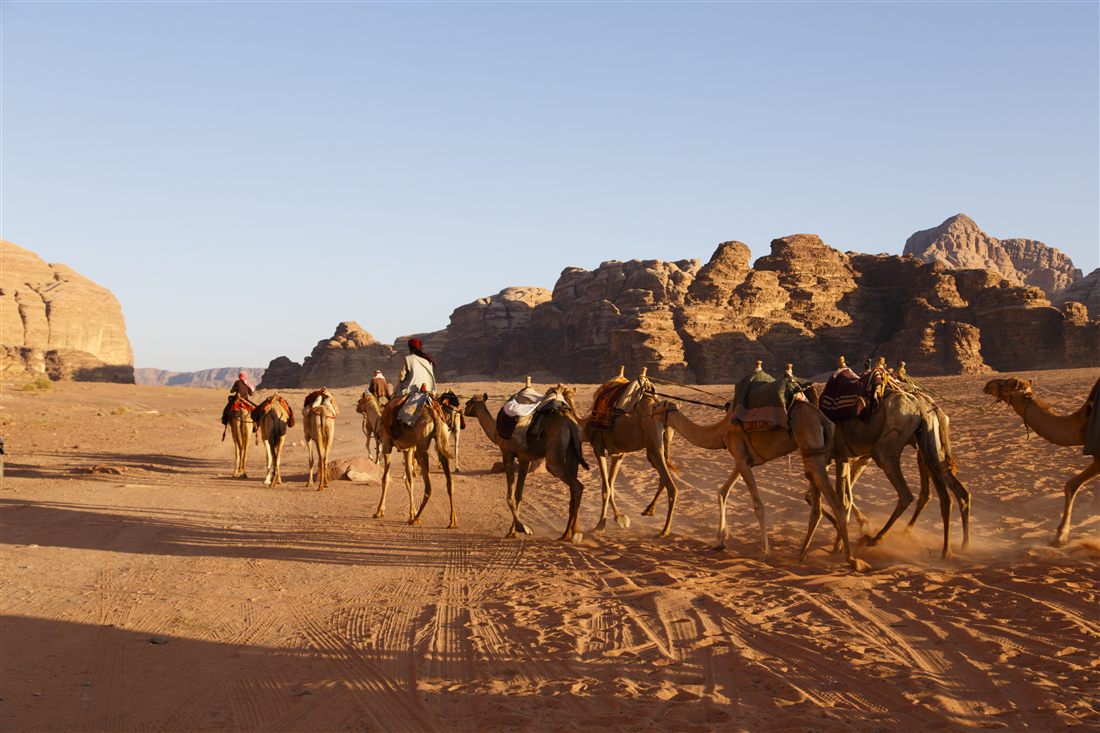
Wadi Rum — desert camp and jeep safari. If there is one thing children remember above all, it is a night in the desert. Wadi Rum delivers a jeep safari bouncing between red dunes and rock bridges, camel rides at a gentle pace, and a night in a Bedouin camp — including the domed "Martian" bubble camps that feel like sleeping on another planet. After dark the sky fills with more stars than most kids have ever seen, and the camp hosts are wonderful with children. See our Wadi Rum camping guide for how to choose a camp and what a night there involves.
The Dead Sea — floating and mud. Nothing beats the delight on a child's face when they realise they cannot sink. Floating in the Dead Sea, the lowest and saltiest water on Earth, is pure novelty, and smearing on the famous black mineral mud is even better. Two firm rules make it a joy rather than a disaster: keep dips short, and keep the water well away from eyes and any cuts — that salt stings fiercely. Rinse off in fresh water straight after. Our Dead Sea day trip guide covers where to go and how to do it comfortably.
Amman — museums for a city day. The capital is an easy, air-conditioned change of pace when everyone needs a break from ruins and sun. The Children's Museum Jordan is built for hands-on play, and the Royal Automobile Museum is a genuine hit with kids who like cars — rows of gleaming vehicles from the royal collection, told as a story. Our Amman city guide has more on the city and how to get around it.
Aqaba — gentle sea time. Down on the Red Sea, Aqaba is where a family trip slows down. Glass-bottom boats let small children see coral and fish without getting wet, and the calm, shallow water makes for gentle first snorkelling. Our Aqaba Red Sea guide has the detail.
The green north and nature reserves. Most people picture Jordan as desert, so the wooded north surprises them. The Ajloun forest reserve offers shaded walking trails, hilltop views and a Crusader-era castle to clamber around — a cooler, greener day that suits younger children and gives everyone a rest from the heat.
Practical family logistics: drives, car seats, heat
Distances and long drives. Jordan's sights are spread across the country, so the trip involves real driving. Amman to Petra is around three hours; Petra to Wadi Rum about ninety minutes; the Dead Sea an hour from the capital. None of it is brutal, but with children you feel every hour, so plan for it. Load tablets with downloaded shows and games before you leave, pack a bag of snacks, bring one comfort toy, and build a stop or two into any long leg. Breaking a big driving day into two shorter ones is almost always worth it.
Car seats are not guaranteed. This is the single most important thing to arrange in advance. Taxis rarely carry child seats, and not every private driver or tour vehicle will have one either. If you want a car seat, say so clearly when you book a rental car, a driver or a tour, and confirm it in writing. Some families travelling with toddlers bring their own lightweight seat from home for exactly this reason. Don't assume it will simply appear.
Heat and hydration. Jordan's sun is strong and much of the sightseeing happens in the open with little shade. Treat water as non-negotiable — more than you think you need — and reapply sunscreen through the day. Hats, light long sleeves and proper walking shoes do more for a child's comfort than almost anything else. Sightsee in the cooler morning hours, retreat somewhere shaded or air-conditioned in the harsh midday, and come back out in the late afternoon. Spring and autumn make all of this dramatically easier; see the best time to visit Jordan.
Getting around and safety sense. The Careem app (the regional Uber) takes the haggling out of city taxis and is handy with kids. On the sights themselves, remember there are open drops at Petra and the Citadel and few barriers — keep small children close and hold hands near edges. None of this is cause for worry; it is the same common sense you would use at any wild or historic site.
Eating with kids
Feeding children in Jordan is easy, and often the best part of the day. The national table is built on things most kids already like: warm flatbread, hummus, rice, grilled chicken and meat, chips, and fresh fruit. Flavours are generally mild rather than fiery, so even cautious eaters find plenty to enjoy.
A few reliable winners: falafel, crisp fried chickpea balls that are essentially a savoury snack children devour; hummus and bread, which turns any meal into finger food; shawarma and grilled meats in wraps; and rice dishes that make a filling, plain base for fussier eaters. For a sweet reward, knafeh — molten cheese under crisp orange pastry soaked in syrup — is a national treasure and an instant hit, best eaten hot on the spot.
Restaurants are almost universally welcoming to families; a table of small dishes to share (mezze) suits children well, because everyone picks what they like. Fresh fruit juices and mint lemonade are everywhere and go down better than fizzy drinks. If you have a baby or toddler, larger towns and supermarkets stock formula, nappies and familiar snacks, though it is worth carrying a small stash for the long drives and desert nights.
When to go and how to pace it
When to go. For a family, timing matters more than almost anything else, because it decides how hard you fight the heat. Spring (March to May) and autumn (September to November) are the sweet spots: warm, comfortable days and cool evenings, ideal for walking around Petra or sleeping in the desert. High summer is genuinely hot and hard work with children at the exposed sites, while winter can be cold and even snowy in the highlands, though the Dead Sea and Aqaba stay mild. If you can choose, choose spring or autumn.
How to pace it. The most common mistake families make in Jordan is trying to do too much. The sights are dramatic and the drives are long, and a packed schedule turns wonder into exhaustion. Resist it. Give Petra most of a day, not a rushed morning. Sleep a night in Wadi Rum rather than dipping in and out. Fold in slower, cooler days — a museum morning in Amman, an afternoon floating at the Dead Sea, a shaded walk in Ajloun — between the big-hitters. A week that lets children rest, play and absorb one great thing a day beats a whirlwind that leaves everyone frayed. In Jordan, less really is more, and the memories your kids keep will come from the moments you did not rush.
Frequently asked questions
Is Jordan safe for families and children?
Very. Jordan is one of the calmest, most welcoming countries in the region, and children are genuinely adored here — expect waiters, shopkeepers and strangers to fuss over your kids in the warmest way. Ordinary travel sense still applies: hold small hands near cliff edges at Petra and the Citadel, keep sun cover on, and agree taxi fares or use the Careem app. Families of every kind, including solo parents, generally find Jordan relaxed and easy.
What's the best age to bring kids to Jordan?
There is no wrong age, but the trip is easiest and most rewarding from roughly five or six upwards, when children can manage a fair amount of walking and remember the adventure. Toddlers travel fine too — Jordanians welcome babies everywhere — but Petra and Wadi Rum involve long distances and uneven ground, so a carrier beats a stroller. Tweens and teens tend to love the desert camps, the floating and the sense of exploration most of all.
Is Petra doable with children?
Yes, with planning. Kids often love Petra because the walk in through the Siq feels like a treasure hunt that ends with the Treasury appearing between the rocks. The catch is distance and heat: it is a lot of walking on stone, mostly without shade. Start early, carry plenty of water and snacks, build in rest stops, and consider a short pony or donkey ride for tired legs. Don't try to see all of Petra in one push with young children.
Which activities do kids enjoy most in Jordan?
The clear winners are floating in the Dead Sea and slathering on the mud, sleeping in a Bedouin desert camp in Wadi Rum with a jeep safari and stargazing, and the sense of adventure walking into Petra. Younger children also love the glass-bottom boats and gentle snorkelling in Aqaba, the Children's Museum Jordan and the Royal Automobile Museum in Amman, and camel and pony rides. The mix of desert, sea and ancient cities keeps a wide range of ages happy.
How do you handle the heat and the long drives?
Travel in spring or autumn if you can, sightsee early in the day, and treat water and sun cover as non-negotiable — hats, sunscreen and shade breaks. Jordan's big sights are spread out, so expect drives of two to four hours between them; bring downloaded entertainment, snacks and a favourite toy. Car seats are not guaranteed in taxis or with every driver, so if you need one, arrange it in advance with your car-hire company or tour operator.